Understanding the Evolution of Czech Music Genres
Czech music has a rich and diverse history that mirrors the cultural shifts and societal changes of the region. This article explores the evolution of Czech music genres, highlighting key movements and their significance to contemporary music events in the Czech Republic, especially for audiences aged 40-60.
A Brief History of Czech Music
The history of Czech music dates back to the Middle Ages, with influences from folk traditions, classical compositions, and modern genres. Research indicates that the blending of these influences has resulted in a unique sound characteristic of Czech music.
Folk Roots
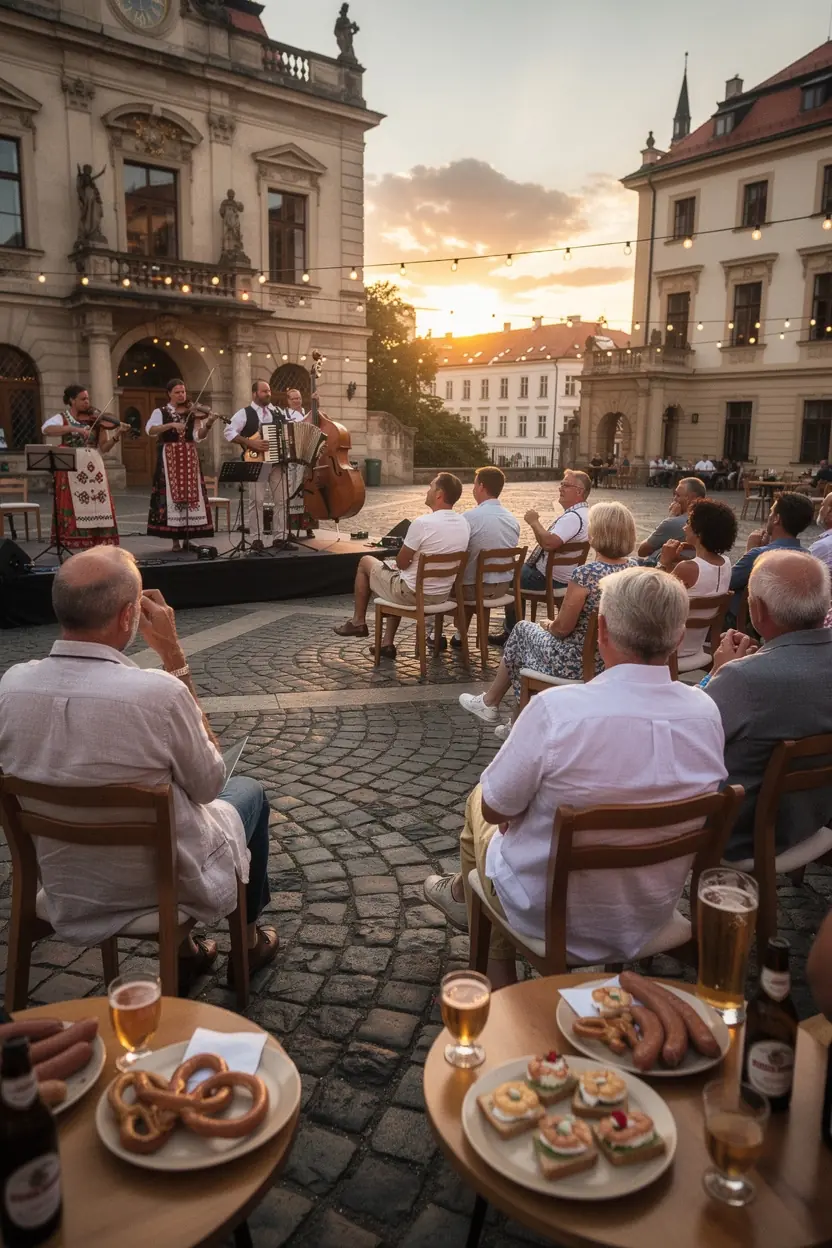
Folk music has a prominent place in Czech culture, often reflecting the everyday lives and struggles of its people. Instruments like the cimbalom and the fiddle are staples in traditional performances. Many music events today still incorporate these folk elements, appealing to nostalgia among older audiences.
Classical Influence
The classical era brought composers like Antonín Dvořák and Bedřich Smetana to the forefront, contributing significantly to the Czech music scene. Their works often explore themes of national identity, making them popular in live concerts in the Czech Republic. According to music historians, their influence can still be felt in contemporary performances.
"The classical compositions of Dvořák and Smetana laid the groundwork for future generations of Czech musicians, creating a rich tapestry of sound that resonates even today."
Modern Genres and Their Evolution
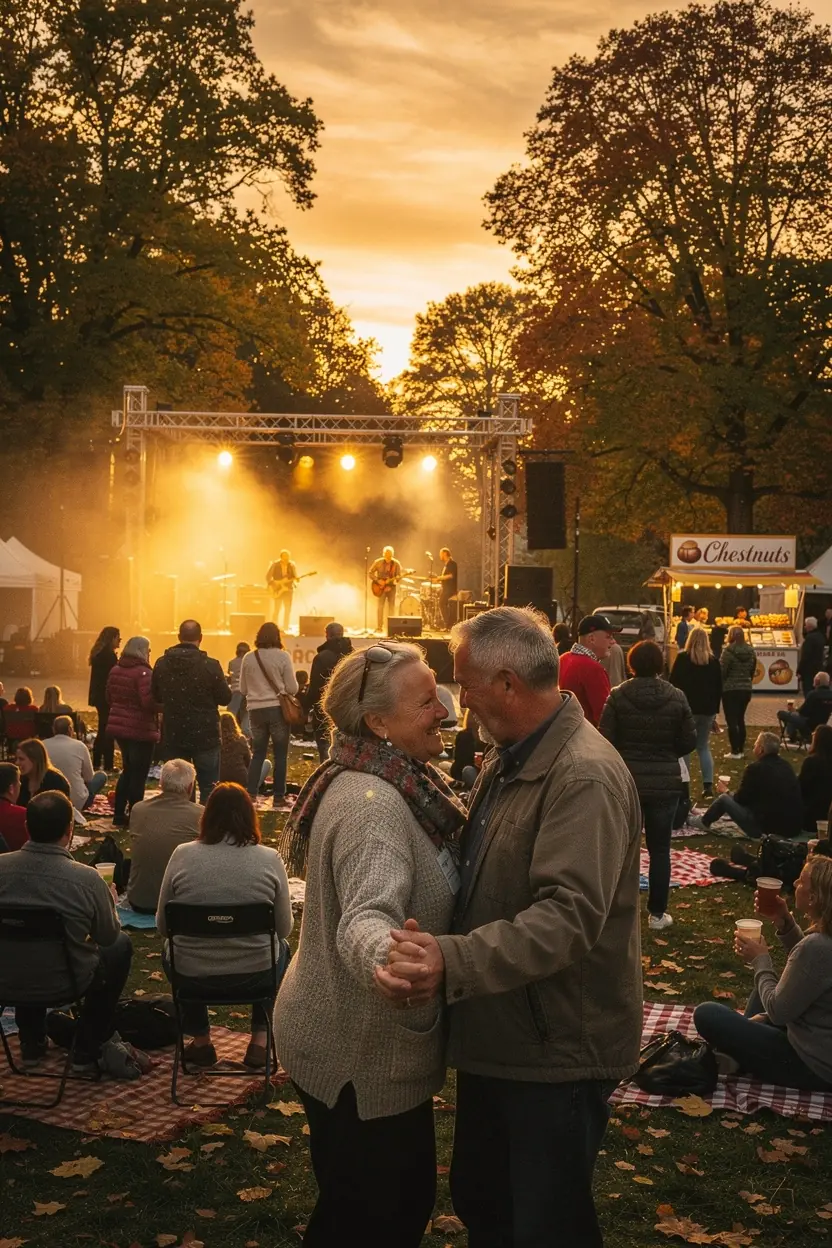
Today, Czech music encompasses a variety of genres including rock, jazz, and pop. Over the past few decades, the emergence of new musical styles has enriched the local music scene, providing diverse options for concert-goers.
Nostalgia and Retrospective Performances
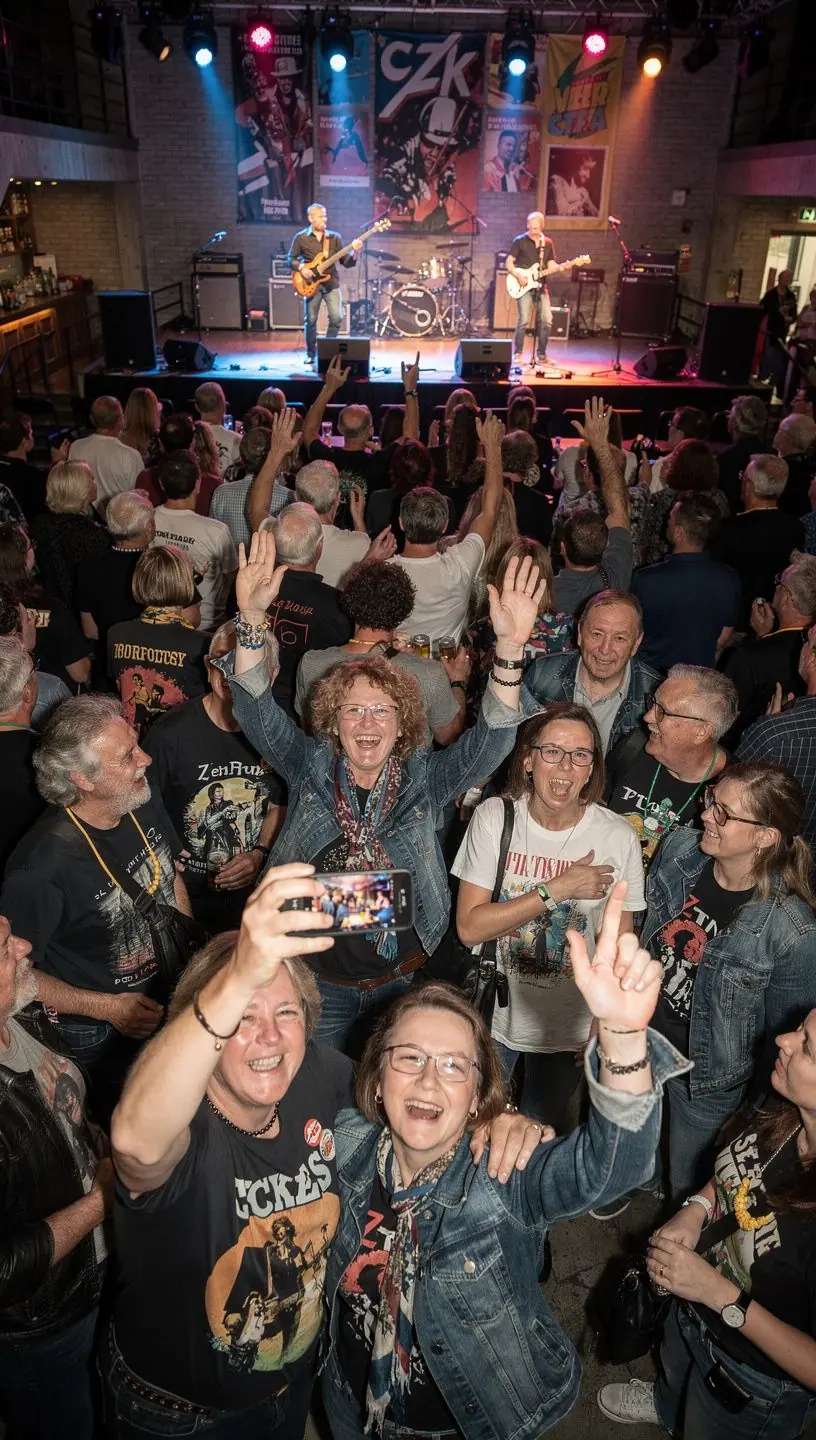
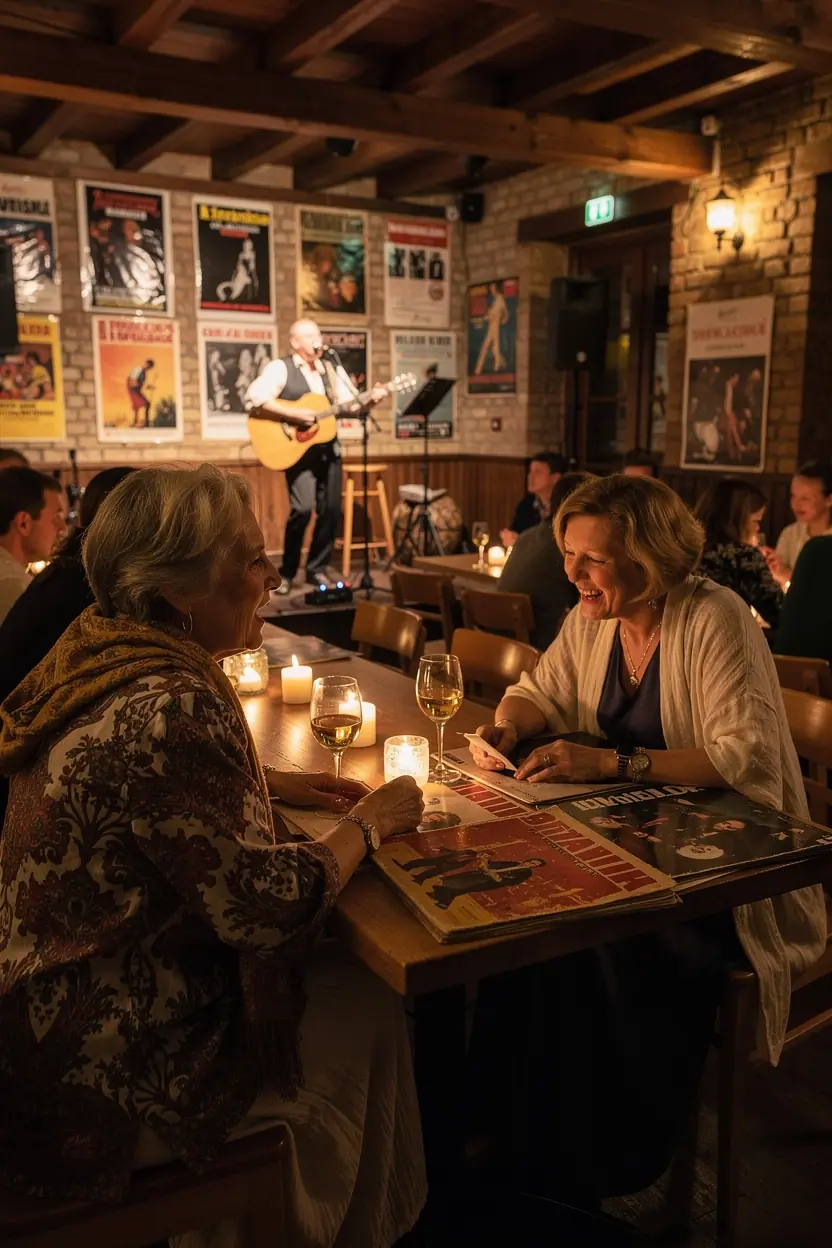
Nostalgia music nights feature retro performances that often attract older audiences. These events serve as a reminder of past cultural moments and offer a communal experience for attendees. Many users report a profound emotional connection to the music selections at these concerts.
Local Artists and Their Contributions
Local Czech artists play a crucial role in shaping the contemporary music landscape. They often draw inspiration from historical genres while incorporating modern elements. Industry experts suggest that supporting local talent not only enriches the cultural fabric but also enhances community music events.
Accessible Venues and Events for Mature Audiences
The importance of accessibility in concert venues cannot be overstated, especially for older adults. Many organizers are now prioritizing accessibility features to ensure that everyone can enjoy the performances. This shift reflects a growing understanding of the need for inclusive music experiences.
- Look for venues that offer wheelchair access and seating for those with mobility challenges.
- Check if concerts provide hearing assistance or other accommodations for seniors.
- Be aware of the options for transportation to and from music events, making participation easier for mature audiences.
Conclusion
The evolution of Czech music genres is a testament to the resilience and creativity of its artists. As the music scene continues to grow, it is essential for concert organizers to remember the significance of nostalgia and accessibility in their planning. Engaging with local artists and offering a curated concert lineup can enhance the experiences for audiences aged 40-60, ensuring that these cultural events remain vibrant and relevant.